
Tzu-Hsin Hsieh (Celine)
謝 慈 芯
Spatial AI · Generative 3D · XR
謝 慈 芯
Spatial AI · Generative 3D · XR
I am a PhD researcher in the Computer Graphics and Visualization Group at TU Delft. My research focuses on spatially aware 3D content generation for human interaction. I combine VLM-based 3D scene understanding and generative 3D models to create objects that respond to their surroundings. I'm currently exploring how hand poses and text instructions can guide the generation of 3D objects that are both graspable and functionally meaningful.
With a background in Architecture, Computer Science, and Electrical Engineering, I'm interested in connecting spatial intelligence with real-time interaction in physical and virtual environments. I'm always happy to connect with researchers and engineers working on World Models, Embodied AI, and XR.
Conducting research on spatial AI, generative 3D, and 3D scene understanding for XR-based spatial reasoning and content generation. Developed XR prototypes with hand tracking, real-time interaction logging, adaptive feedback control, and user-study evaluation.
Built an AR iOS application using real-world weather data, AprilTag tracking, and plane detection for spatial model registration.
Conducted computer vision research on AI-based image recognition, super-resolution, satellite-image analysis, and deep learning for remote sensing applications.
Developed mixed reality and digital-twin systems integrating BIM, 3D spatial data, and collaborative interaction workflows.
VLM-based 3D scene understanding, spatial grounding, and multimodal reasoning for intelligent spatial interaction.
Fit-aware 3D object synthesis and generative adaptation for context-aware spatial content generation.
Human-centered XR interfaces with hand tracking, adaptive feedback, and real-time interaction for spatial tasks.
Designing AI systems with user studies, adaptive interfaces, and evaluation frameworks for real-world deployment.
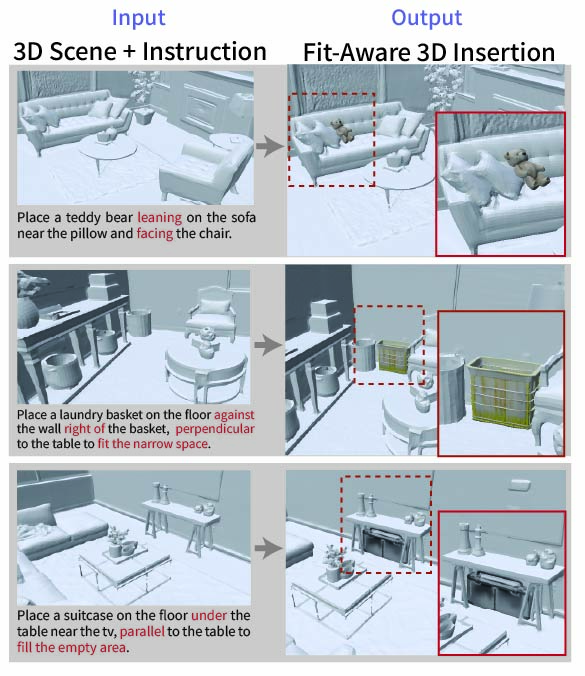
A VLM-guided framework for fit-aware 3D object insertion that infers structured fitting cues and adapts object geometry through rigid, uniform, or elastic modes. Improves spatial relation success from 50.8% to 69.7% and support success from 48.3% to 91.7% over strong baselines.
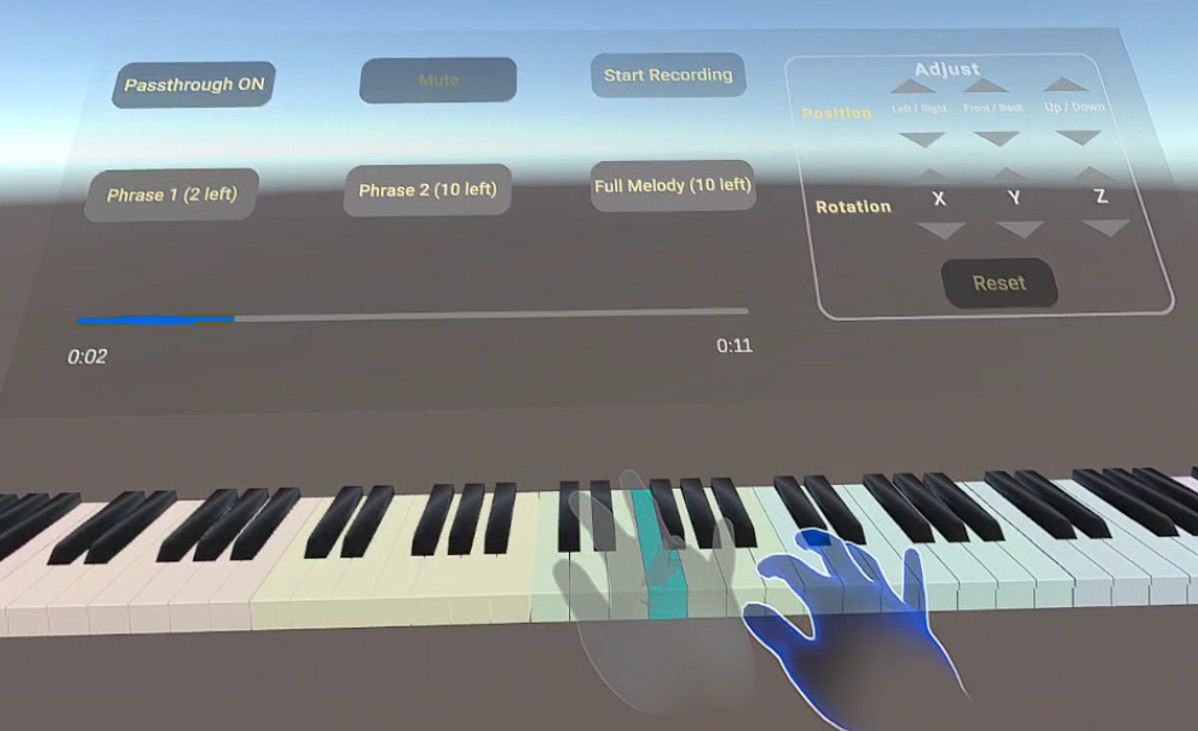
Designed and evaluated a VR piano learning system with adaptive ghost-hand guidance. Compared static vs. skill-adaptive conditions through a user study measuring retention, over-reliance, and workload.
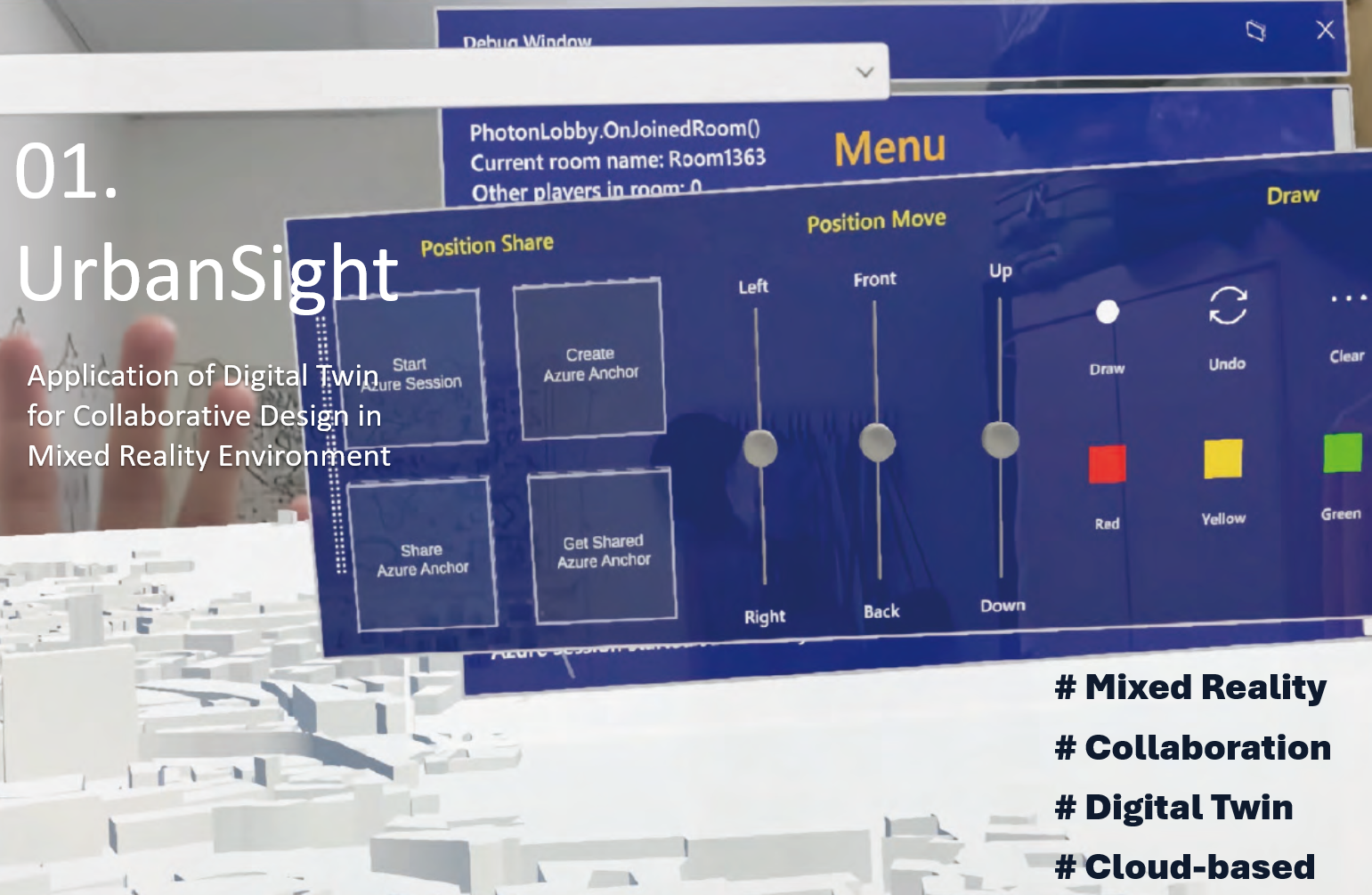
Built a collaborative multi-user MR environment where users interact with a shared digital twin in real time, integrating BIM and 3D spatial data via HoloLens 2.
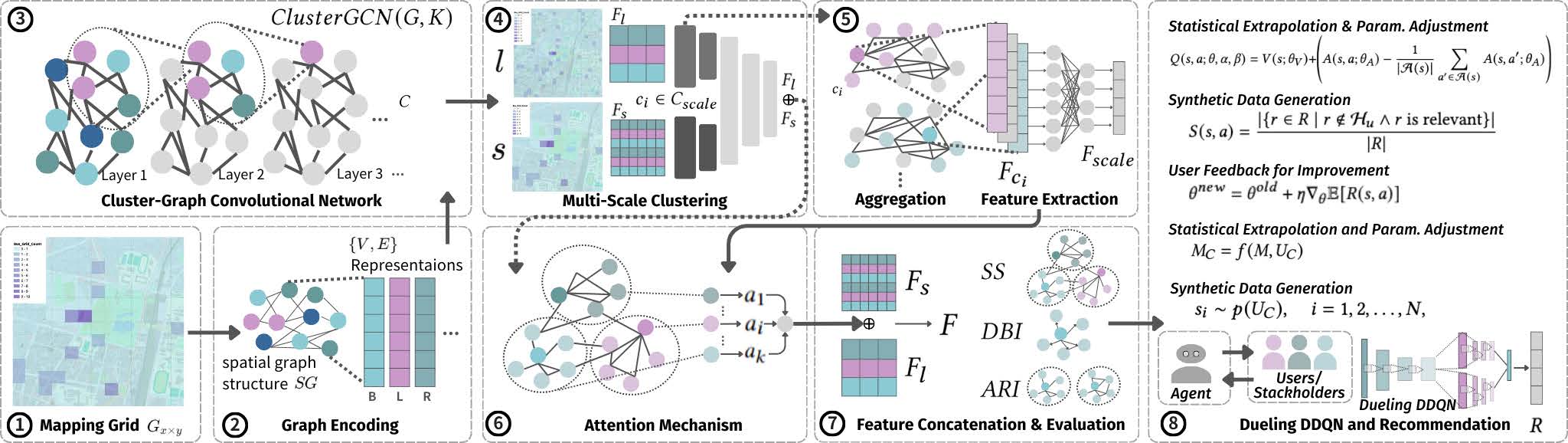
Proposed a multi-stakeholder recommendation system leveraging attention-graph Q-learning with multi-scale spatial heterogeneity for transportation and green attraction planning.
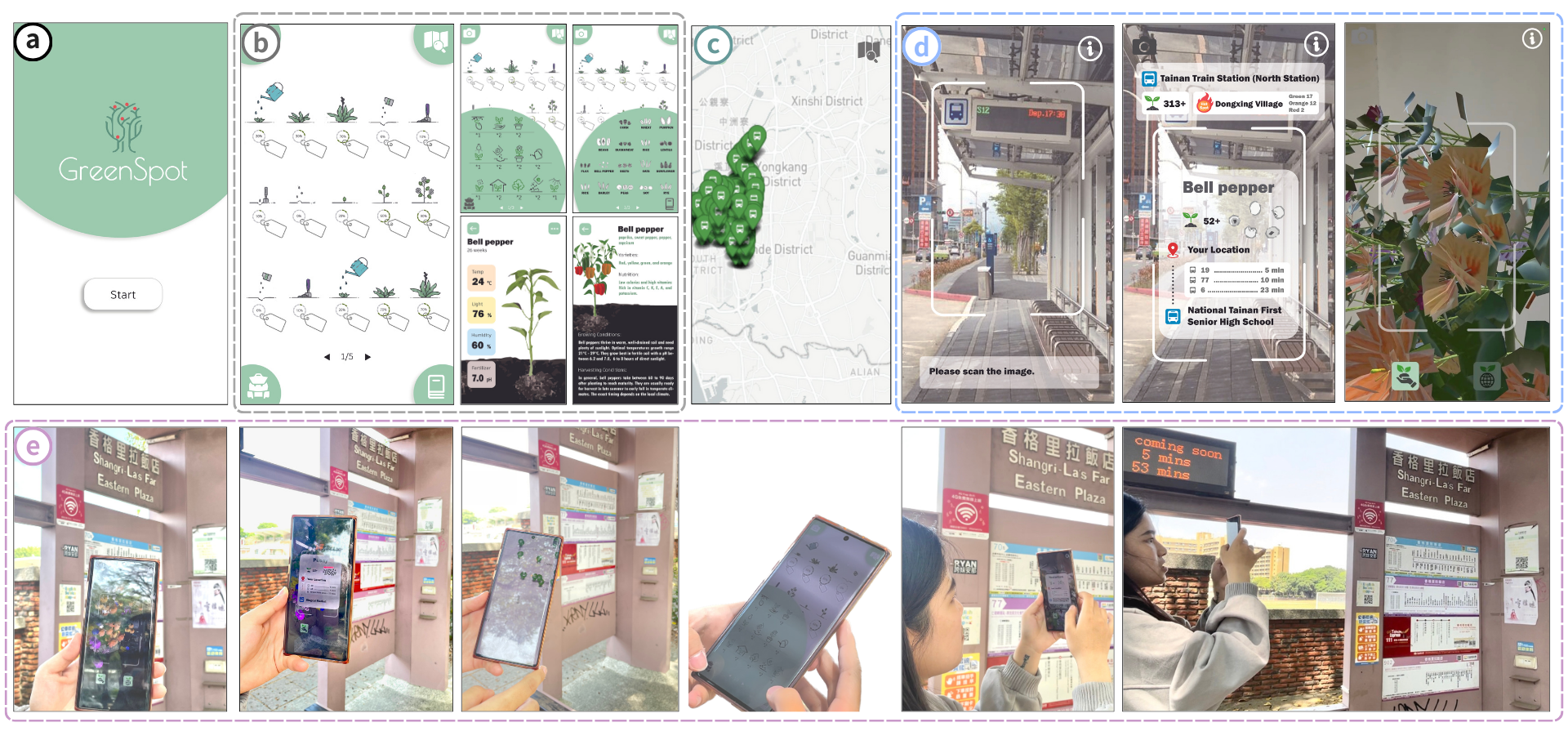
Proposed a GIS-based AR system combined with Cluster-GCN recommendation to improve public transport access to green attractions, integrating spatial graph learning with real-world transit data.
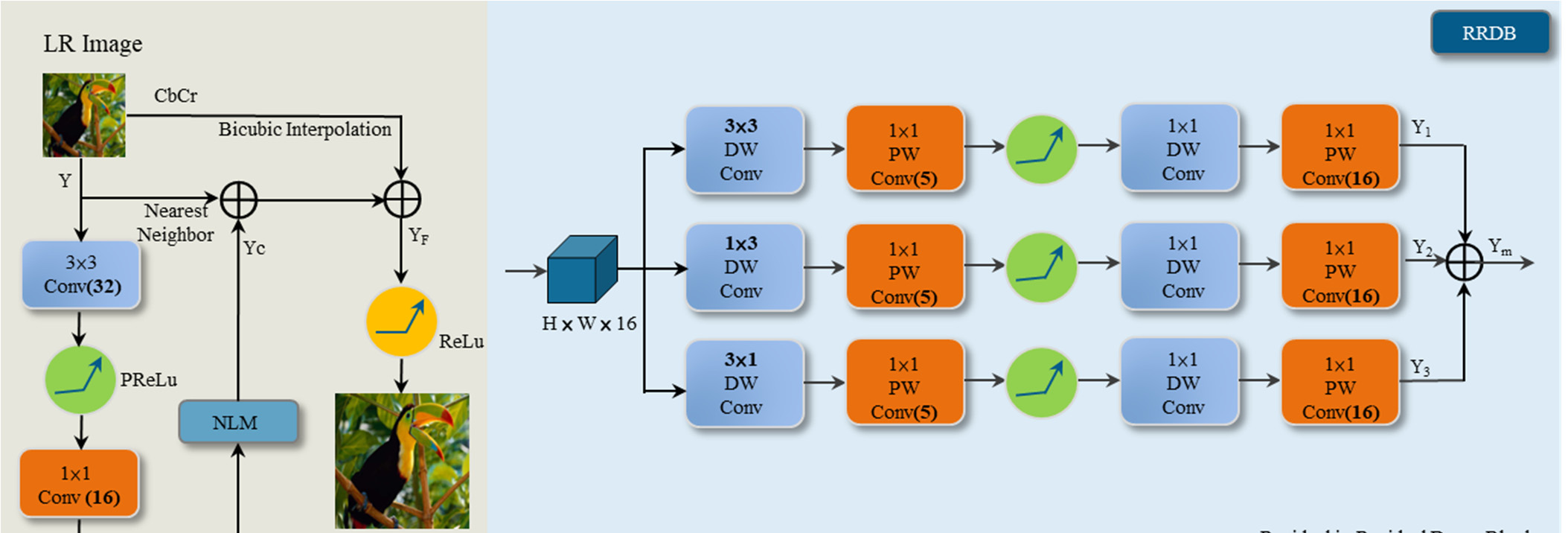
Proposed a lightweight multi-path CNN architecture for image super-resolution optimized for efficiency under hardware constraints.
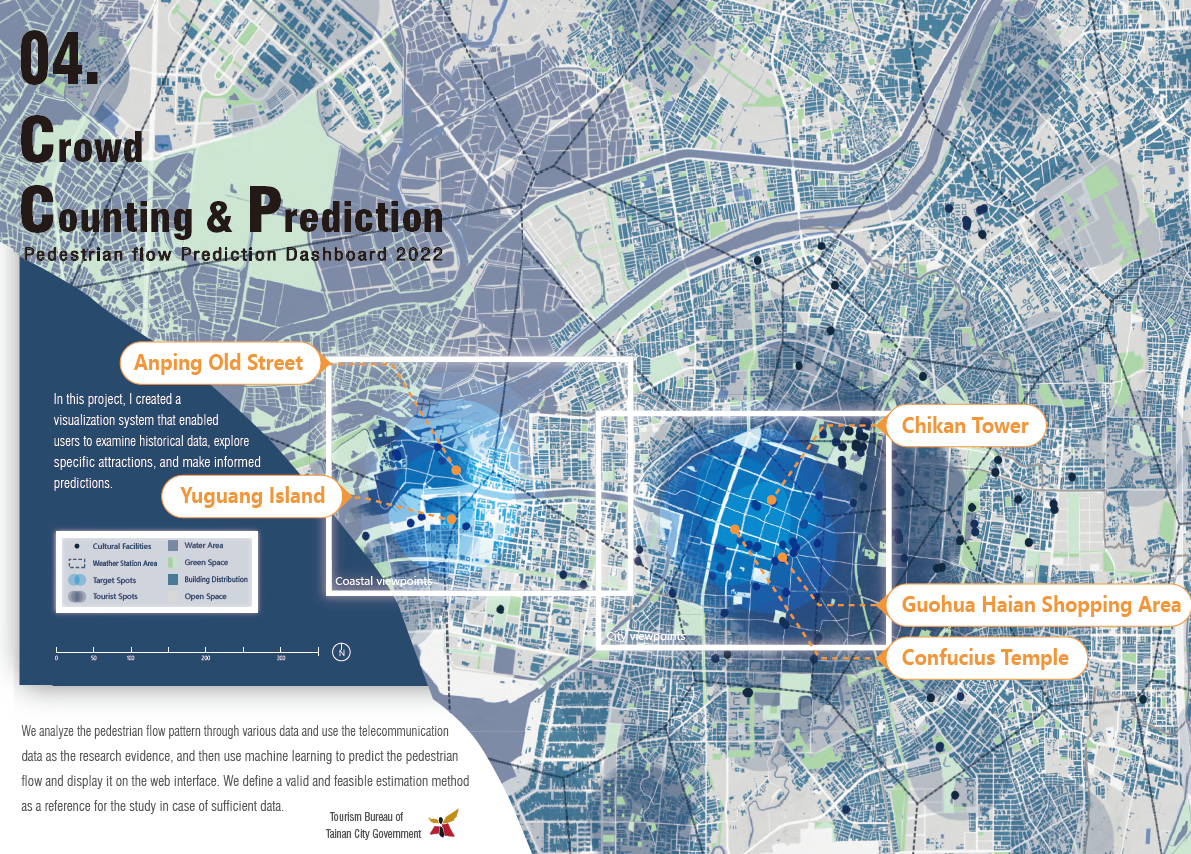
Developed a predictive modeling system for urban pedestrian flow monitoring integrating diverse geospatial datasets for smart city applications.
Fit-aware 3D object insertion via VLM reasoning and generative adaptation. Combines semantic-spatial grounding, scene-conditioned object generation, and physics-aware fitting with rigid, uniform, and elastic adaptation modes.
VR piano learning system with ghost-hand guidance, real-time hand tracking, and skill-adaptive transparency control. Evaluated retention, over-reliance, and cognitive workload through a formal user study.
Collaborative multi-user MR space with real-time digital twin interaction, BIM integration, and shared spatial workflows for urban design visualization.
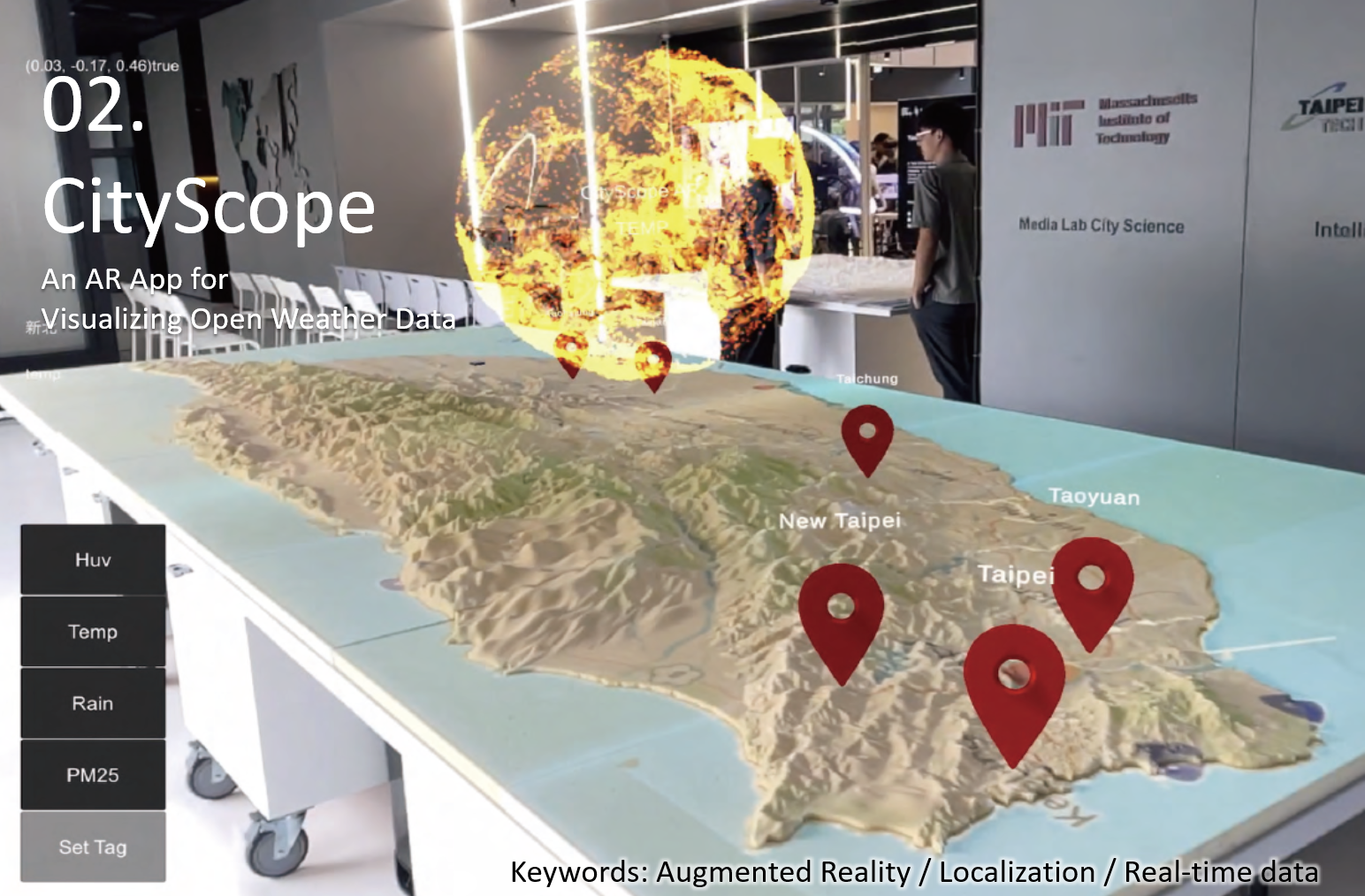
AR app visualizing real-time 3D weather data from Taiwan's Central Weather Bureau onto a physical island model using AprilTag-based spatial registration.
Pedestrian flow prediction dashboard built with Tainan City Government and Far EasTone, using GRU-based time-series modeling and geospatial data analysis.
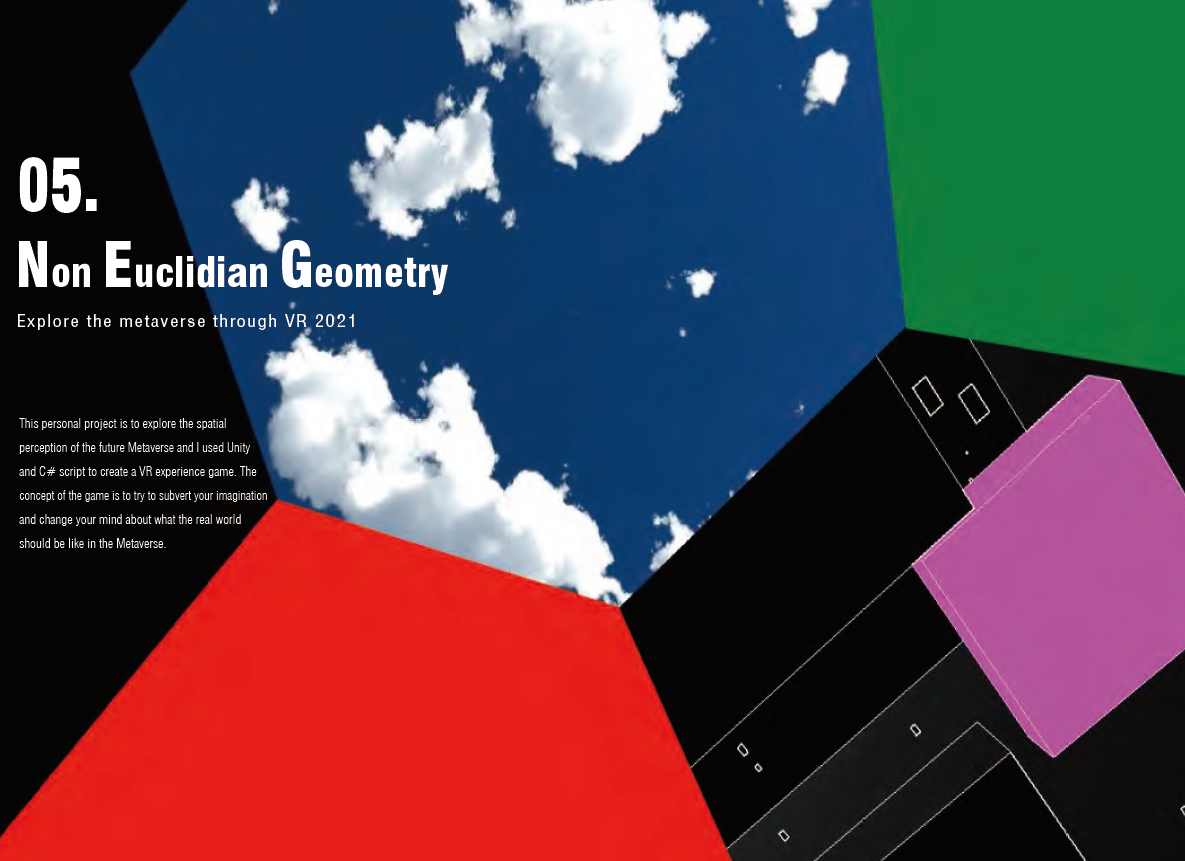
VR environment using connected virtual spaces and scale mismatches to create impossible-space and size-perception effects — exploring spatial cognition in XR.